Posts
Posts


 "Good and wise men, in all ages [...] have supposed that the Deity, from the relations we stand in to Himself and to each other, has constituted an eternal and immutable law, which is indispensably obligatory upon all mankind, prior to any human institution whatever.This is what is called the law of nature, “which, being coeval with mankind, and dictated by God himself, is, of course, superior in obligations to any other. It is binding over all the globe, in all countries, and at all times. No human laws are of any validity, if contrary to this; and such of them as are valid derive all their authority, mediately or immediately, from this original.”—Blackstone.
Upon this law depend the natural rights of mankind: the Supreme Being gave existence to man, together with the means of preserving and beautifying that existence. He endowed him with rational faculties, by the help of which to discern and pursue such things as were consistent with his duty and interest; and invested him with an inviolable right to personal liberty and personal safety.
Hence, in a state of nature, no man had any moral power to deprive another of his life, limbs, property, or liberty; nor the least authority to command or exact obedience from him, except that which arose from the ties of consanguinity.
Hence, also, the origin of all civil government, justly established, must be a voluntary compact between the rulers and the ruled, and must be liable to such limitations as are necessary for the security of the absolute rights of the latter; for what original title can any man, or set of men, have to govern others, except their own consent? To usurp dominion over a people in their own despite, or to grasp at a more extensive power than they are willing to intrust, is to violate that law of nature which gives every man a right to his personal liberty, and can therefore confer no obligation to obedience.
“The principal aim of society is to protect individuals in the enjoyment of those absolute rights which were vested in them by the immutable laws of nature, but which could not be preserved in peace without that mutual assistance and intercourse which is gained by the institution of friendly and social communities. Hence it follows, that the first and primary end of human laws is to maintain and regulate these absolute rights of individuals.”—Blackstone."
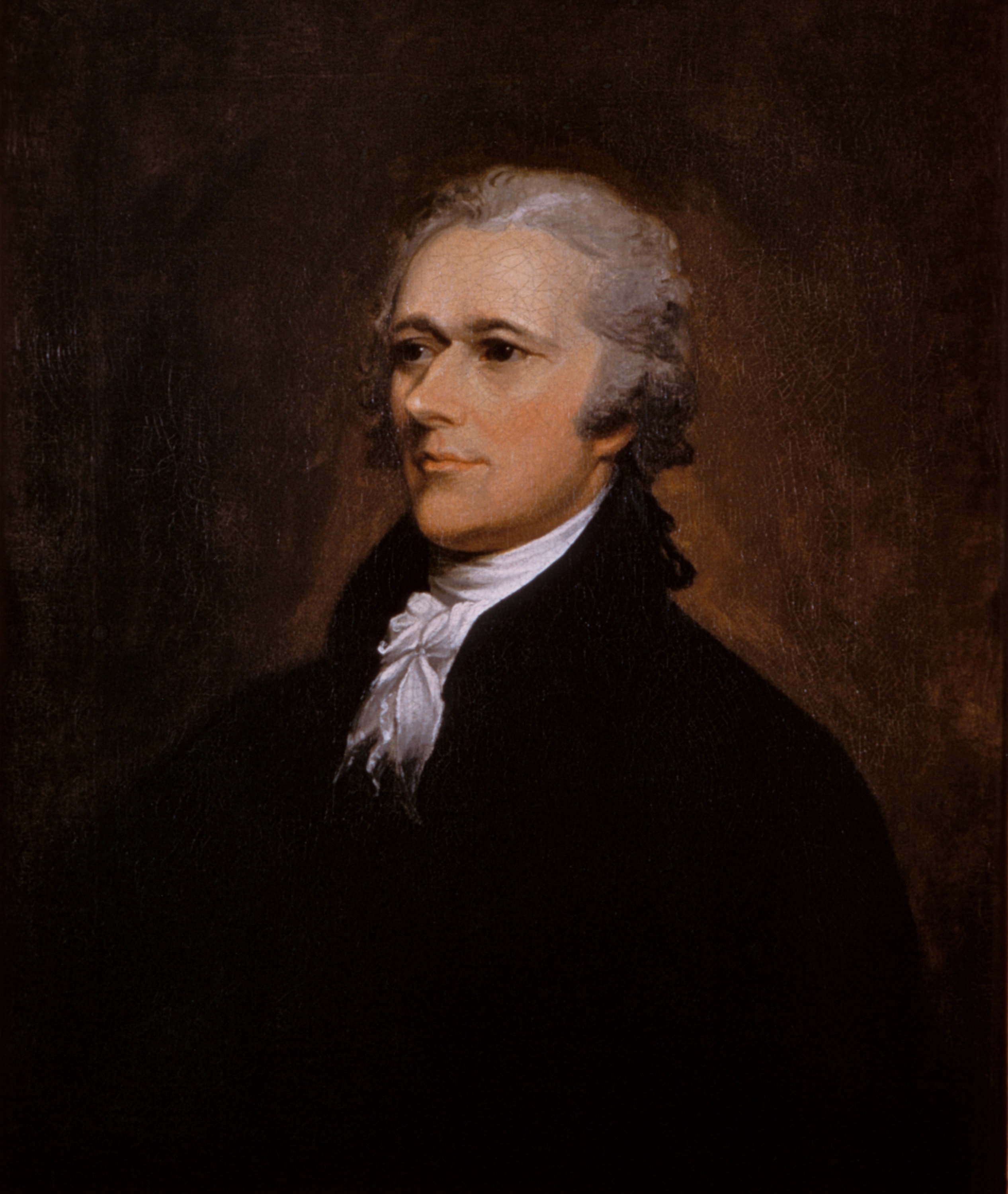
- Alexander Hamilton (1755-1804), American founding father, The Farmer Refuted (1775).